When Material Inconsistency Impacts Project Outcomes
In large-scale developments, material selection directly affects both construction efficiency and long-term asset performance. Kitchens often receive the highest specification, while other areas rely on varied materials with different standards of durability and maintenance. Over time, this creates inconsistency across units and shared spaces. Surfaces age differently, maintenance requirements increase, and overall quality perception declines. This gap becomes more visible as projects scale.
Quartz as a Scalable Surface Solution Beyond Kitchens
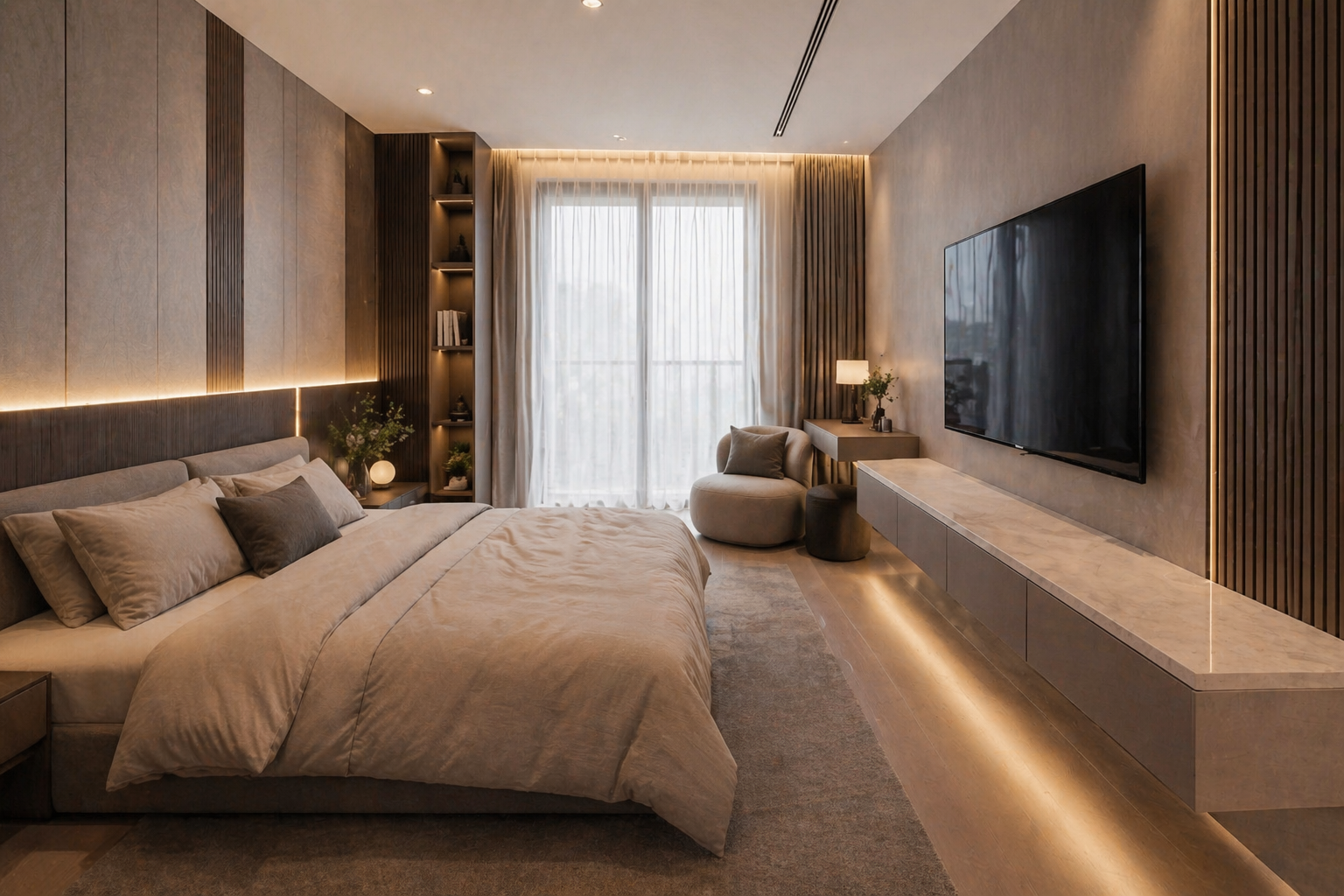
Quartz offers a controlled and consistent material solution that extends beyond kitchen countertops. In bathrooms, quartz provides low porosity and resistance to moisture, reducing staining and long-term degradation. In reception areas, retail counters, and high-traffic surfaces, it maintains structural integrity under continuous use. For wall cladding and vertical applications, quartz delivers uniformity in finish, supporting cohesive interior design across multiple units or spaces. This allows developers to standardize materials across different functional areas without compromising performance.
Operational Costs Increase Without Standardized Surfaces
Different materials introduce different risks. Porous surfaces require sealing. Natural materials vary in pattern and performance. Wood-based finishes react to humidity. These factors increase maintenance frequency and operational costs across residential and commercial properties. For developers and operators, this leads to higher lifecycle expenses and more complex facility management, reducing cost efficiency and limiting overall profit margins over time.
Consistency, Predictability, and Long-Term Value
For developers, the advantage of quartz lies in predictability. Engineered composition ensures uniform quality across batches, which simplifies specification and installation. This consistency reduces variation between units and supports efficient project execution. A fragmented material approach limits efficiency in both procurement and long-term upkeep. Over time, lower maintenance requirements contribute to reduced operational costs. End users benefit from durable surfaces that maintain appearance, while developers protect long-term asset value and strengthen profit margins.
How Indoquartz Supports Large-Scale Developments
Indoquartz provides engineered quartz surfaces designed to meet the demands of residential and commercial projects. The material combines strength, low porosity, and consistent aesthetics, allowing application across kitchens, bathrooms, countertops, and vertical surfaces. This supports developers in maintaining uniform standards across projects while reducing material variability. Indoquartz’s approach aligns with the need for scalable solutions that balance design, durability, and operational efficiency.Visit Indoquartz’s website to get to know more about Indoquartz and its finished projects, and see how quartz can support consistency, durability, and long-term performance across your developments.